
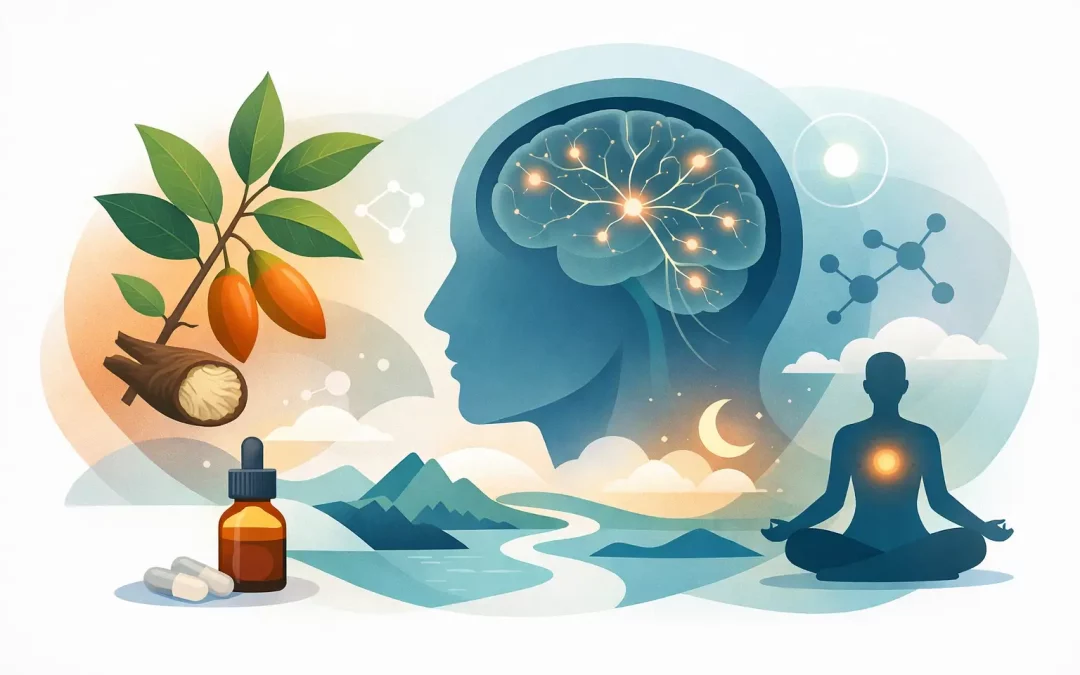
For many people, the hardest part of recovery is not wanting to change. It is surviving withdrawal, battling relentless cravings, and facing the quiet fear that even after another detox or rehab stay, the cycle may begin again. That is where ibogaine enters the conversation – not as a magic fix, but as a powerful treatment approach that can create a very different starting point.
If you have been asking what is ibogaine and how does it work, the short answer is this: ibogaine is a naturally derived psychoactive compound used in medically supervised settings to help interrupt substance dependence, reduce acute withdrawal, and create a rare window for emotional and spiritual reset. The fuller answer matters, because this treatment is unlike standard detox in almost every way.
What is ibogaine and how does it work?
Ibogaine is an alkaloid found in the root bark of the African iboga shrub. In modern addiction treatment, it is used for its unique ability to affect multiple brain systems at once. Unlike medications that target one pathway or simply replace one substance with another, ibogaine appears to work across several neurotransmitter systems involved in addiction, mood, reward, and neuroplasticity.
That broad activity is one reason people describe ibogaine treatment as different from anything they have experienced before. It may help soften or dramatically reduce withdrawal symptoms, especially with opioids and certain other substances. It may also reduce cravings and compulsive drug-seeking patterns. At the same time, many patients report a vivid inward process that brings buried memories, emotional insight, and a deeper sense of clarity to the surface.
This is why ibogaine is often discussed as both a medical and transformational treatment. It can support the body during detox while also opening the mind to honest self-examination and renewed purpose.
How ibogaine affects the brain and body
Addiction changes the brain over time. Reward circuits become conditioned, stress responses become exaggerated, and the body may begin to depend on a substance just to feel normal. Ibogaine appears to interrupt that pattern from several angles.
One part of its action involves receptors linked to dopamine, serotonin, glutamate, and opioid signaling. These systems shape mood, reward, motivation, and withdrawal. By influencing several of them together, ibogaine may help reduce the physiological shock that often comes with detox.
Researchers have also looked at ibogaine’s relationship to GDNF and other growth-related factors that may support brain repair and rewiring. In simple terms, ibogaine may help create a state where entrenched addictive patterns loosen their grip. That does not mean a person is permanently cured. It means the brain and nervous system may become more receptive to real change.
Then there is the subjective experience. Many people describe the treatment itself as dreamlike, introspective, and emotionally intense. Some revisit life events with unusual clarity. Some gain insight into trauma, grief, self-sabotage, or the roots of their dependence. Others simply emerge with a strong sense that they have been given a second chance. This inner experience is not separate from the treatment. For many patients, it is part of how healing begins.
Why people seek ibogaine for addiction recovery
Most people looking into ibogaine are not casually curious. They are exhausted. They have tried to stop on their own, cycled through rehabs, tapered medications for months, or endured withdrawal more times than they can count. They want a treatment that does more than manage symptoms.
Ibogaine draws attention because it may offer rapid interruption of withdrawal and cravings, especially for opioids, methadone, buprenorphine products, stimulants, alcohol, nicotine, and prescription drugs. For some, that alone feels life-changing. For others, the real appeal is that ibogaine can reach beneath the surface of substance use and expose the emotional pain driving it.
That matters because addiction is rarely just physical. It can be tied to trauma, anxiety, depression, PTSD, shame, or a long-standing disconnect from self. A treatment that only addresses the body may leave those forces untouched. Ibogaine treatment, when done well, is designed to address the physical, emotional, and spiritual layers together.
What an ibogaine treatment experience may feel like
A medically supervised ibogaine experience is not recreational and it is not casual. It is a serious intervention that requires screening, monitoring, and individualized planning. Treatment usually begins with a full review of substance use history, current medications, health status, and cardiac risk factors. That screening is essential because ibogaine is not appropriate for everyone.
Once a patient is medically cleared, dosing is tailored to the individual. During treatment, patients typically enter a deeply introspective state that can last many hours. There may be visual imagery, emotional release, periods of stillness, and a sense of moving through layers of memory or meaning. Physically, patients often need close support and rest.
After the acute experience, many people enter what is often called a window of opportunity. Cravings may be significantly reduced. Withdrawal may be minimal or dramatically eased compared with conventional detox. The mind can feel quiet in a way that has been absent for years. This period can be profound, but it also needs protection. Without integration and follow-through, even a powerful interruption can fade.
Ibogaine is powerful, but it is not simple
The most honest answer to what is ibogaine and how does it work includes a clear truth: ibogaine is not a cure-all. It can be extraordinary, but it is not suitable for every person or every medical situation.
Ibogaine carries real risks if administered without proper screening and monitoring. It can affect heart rhythm and place stress on vulnerable systems. That is why professional oversight, medical evaluation, and a controlled setting are non-negotiable. Anyone presenting ibogaine as risk-free is not being truthful.
There are also practical nuances. Different substances require different preparation timelines. Methadone cases, for example, can be more complex than short-acting opioid detox. Co-occurring mental health conditions may shape how treatment is approached. Some people need a shorter reset. Others need extended support and a carefully structured recovery plan afterward. The best protocol is never one-size-fits-all.
Why setting and support matter so much
Ibogaine does not work in a vacuum. The quality of care around the treatment often shapes the outcome just as much as the medicine itself.
A serious program should combine medical oversight with emotional safety, privacy, and post-treatment integration. Patients need to feel held, not processed. They need experienced staff who understand detox, trauma, and the vulnerable state that can follow a major interruption in addiction. They also need an environment that supports reflection rather than chaos.
This is one reason people seek private, individualized treatment rather than trying to piece together a bare-bones experience. In the right setting, ibogaine can become more than a detox event. It can become the beginning of a different relationship with the self – one rooted in clarity, accountability, and hope.
At The POI Ibogaine Institute, that philosophy is central to care. Medically assisted detox is only part of the process. The deeper goal is to help each person rediscover the strength, truth, and freedom that addiction tried to bury.
Who may benefit from ibogaine treatment
Ibogaine is often considered by adults who feel failed by conventional options or trapped in treatment cycles that never address the full picture. That includes people struggling with opioids, methadone, Suboxone, stimulants, alcohol, nicotine, and prescription dependency. It may also appeal to those carrying anxiety, depression, PTSD, or behavioral compulsions alongside substance use.
The common thread is usually not just addiction. It is exhaustion, urgency, and a desire for real change. Many people do not want another numbing routine. They want to reclaim their life with a treatment that meets the depth of what they are facing.
Still, candid evaluation matters. A person has to be medically appropriate for ibogaine, emotionally ready for a deep process, and willing to do the integration work that follows. The medicine may open the door, but walking through it remains a personal choice.
The real promise of ibogaine
Ibogaine’s promise is not perfection. It is interruption. It is relief where there has been suffering, clarity where there has been compulsion, and a meaningful opening where there once seemed to be none.
For someone who has spent years chained to withdrawal, fear, and relapse, that opening can feel nothing short of sacred. And sometimes that is where recovery truly begins – not with another round of punishment, but with the first real chance to remember who you are beneath the dependency and who you were always meant to become.
If ibogaine speaks to you, listen carefully to that instinct. The right next step is not to chase hype. It is to seek informed, compassionate guidance and choose a path that honors both your safety and your transformation.