
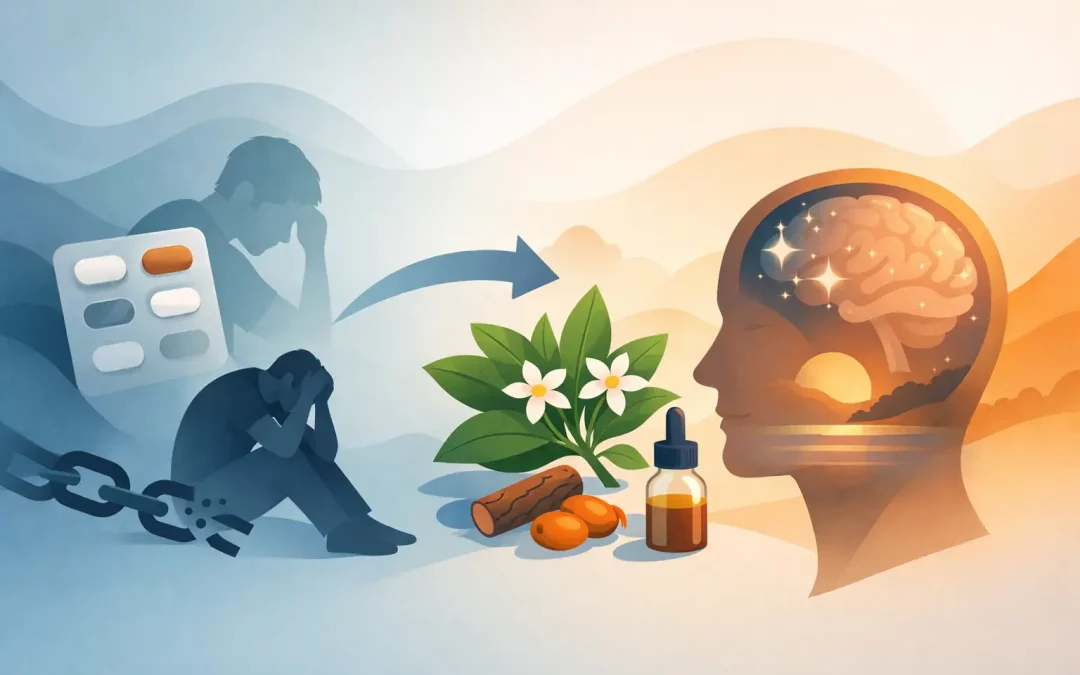
Suboxone can feel like a lifeline – until it starts feeling like a leash.
Many people begin Suboxone with the sincere goal of getting off opioids and rebuilding their lives. Then months or years pass, and a different fear takes hold: What happens when you try to stop Suboxone itself? For many, the answer is the same thing that kept them trapped before – withdrawal, insomnia, anxiety, restlessness, depression, and the dread of a long, drawn-out taper that never quite ends.
That is why so many people start searching for suboxone withdrawal ibogaine treatment. They are not looking for another bandage. They are looking for a real interruption to the cycle.
Why Suboxone withdrawal is uniquely difficult
Suboxone contains buprenorphine, a long-acting partial opioid agonist. That long half-life is one reason it can stabilize people coming off stronger opioids. It is also one reason stopping it can be so frustrating. Withdrawal often comes on slowly, lingers longer than expected, and can feel emotionally draining even when the physical symptoms are less dramatic than with short-acting opioids.
For some people, the hardest part is not the first few days. It is the prolonged period that follows – low motivation, poor sleep, anxiety, mood swings, cravings, and the sense that life has gone flat. This is where conventional detox plans often fall short. A taper may reduce intensity, but it can also keep a person tied to the same substance for months. Quitting too quickly can be miserable. Staying on it indefinitely may not feel like freedom either.
That tension is what brings many people to ibogaine.
How suboxone withdrawal ibogaine treatment works
Ibogaine is a naturally occurring psychoactive compound derived from the iboga plant. In a medically supervised detox setting, it is used to help interrupt opioid dependence, reduce withdrawal symptoms, and create a powerful window of clarity for emotional and behavioral change.
When used for Suboxone dependence, the process is not usually as simple as taking ibogaine on top of a person’s current dose. Buprenorphine binds strongly to opioid receptors and behaves differently than short-acting opioids like heroin or oxycodone. Because of that, suboxone withdrawal ibogaine treatment often requires a customized protocol. Timing matters. Stabilization matters. Medical screening matters.
In the right setting, ibogaine may help reduce the acute shock of withdrawal while also softening cravings and creating a reset point that many people have not been able to reach through tapering alone. That does not mean every case is identical or every person responds the same way. It means the treatment must be built around the person, not forced into a generic detox model.
Why personalization matters with buprenorphine
This is where people get into trouble when they look for shortcuts. Suboxone dependence is not a one-size-fits-all detox situation.
Some clients have been on low doses for a shorter period. Others have spent years on maintenance and have a much deeper physical adaptation. Some are also taking antidepressants, benzodiazepines, sleep medications, or stimulants. Some have underlying depression, PTSD, or anxiety that became more visible once opioid use was reduced. All of these factors shape how treatment should be approached.
A thoughtful ibogaine program begins with medical review, cardiac screening, substance history, and a careful plan for transition. In some cases, a person may need to taper or bridge in a specific way before receiving ibogaine. In others, a broader detox and stabilization strategy may be needed. The goal is not speed for its own sake. The goal is safe, medically assisted detox support that gives the body and mind the best chance to respond well.
What people are really seeking from ibogaine treatment
Most people searching for this treatment are not just trying to avoid being sick for a few days. They are trying to escape the exhausting math of dependency.
They want relief from the physical discomfort, yes, but they also want their mind back. They want to wake up without planning their day around a strip, a taper schedule, or the fear of relapse. They want to feel emotion again without being overwhelmed by it. They want to remember who they were before survival became the only goal.
Ibogaine is powerful because it may address more than withdrawal alone. Many people describe it as creating distance from compulsive patterns while bringing buried emotional material to the surface. That can be intense. It can also be profoundly healing when held in the right environment.
This is one reason a luxury, one-on-one setting matters more than people realize. Privacy helps. Medical oversight helps. Emotional support helps. A calm, intentional environment can make the difference between simply enduring treatment and truly receiving it.
What to expect during a medically assisted process
A quality treatment experience begins before ibogaine is administered. Pre-treatment evaluation is essential. This usually includes a detailed review of current medications, health history, cardiovascular risk, substance use timeline, and mental health needs. Not everyone is an appropriate candidate, and responsible screening protects both safety and outcomes.
Once admitted, the process may include preparation days to help the body transition and the mind settle. During treatment, medical monitoring is a core part of care. Ibogaine is not casual wellness therapy. It is a serious intervention that should be delivered with expertise and respect.
After the acute treatment phase, integration becomes just as important as detox. This is the part many conventional models underdeliver. When cravings are reduced and withdrawal has been interrupted, there is a rare opening. That opening can support new habits, emotional repair, spiritual insight, and a reorientation toward life. Without support, it can also close quickly.
That is why the best programs do not treat ibogaine as a stand-alone event. They treat it as the beginning of a new chapter.
The trade-offs people should understand
There is no honest conversation about suboxone withdrawal ibogaine treatment without acknowledging nuance.
Ibogaine is not magic in the simplistic sense. It can dramatically change the detox experience, but it is not a substitute for readiness, support, or aftercare. Some people feel immediate relief. Others need more time to recover energy and sleep. Some experience a strong emotional or spiritual breakthrough. Others have a quieter process that unfolds gradually.
It also matters where treatment is done. A medically supervised environment is not an optional upgrade. It is central to responsible care. Ibogaine affects the heart and nervous system, which is why screening and monitoring are essential. Anyone promising a casual, universal solution is leaving out the very thing that makes treatment safer and more effective.
The right expectation is not perfection. It is possibility – a meaningful reduction in suffering, a disruption of dependency, and a renewed chance to reclaim your life.
Why many people travel for this care
For US clients, ibogaine treatment often means leaving home to receive care in a setting designed specifically for this work. That can feel like a big step, but for many, it is part of what makes the experience transformative.
Distance creates focus. Privacy reduces noise. Being removed from the people, places, and patterns attached to substance use can help the nervous system settle into a new reality. In a premium residential environment, healing is not squeezed between daily stressors. It becomes the priority.
At The POI Ibogaine Institute, this approach is built around individualized care, medical support, and the deeper purpose of recovery – not just stopping a substance, but rediscovering the person you were truly meant to be. For someone who has felt stuck on Suboxone for far too long, that shift can mean everything.
When this path may be worth considering
If you have tried tapering and keep getting pulled back by withdrawal, if you feel emotionally numb or spiritually exhausted, or if you are tired of trading one dependency for another, it may be time to look at a different kind of solution.
The right ibogaine program can offer more than symptom management. It can create a clear break in the cycle, reduce the burden of detox, and open a space where real healing becomes possible. That space is precious. It deserves skilled hands, compassionate guidance, and a treatment plan built around your body, your history, and your future.
You do not need to keep measuring your life against the fear of withdrawal. Sometimes the bravest step is choosing a form of care that sees all of you – physical, emotional, and spiritual – and treats recovery as the return of your own power.