
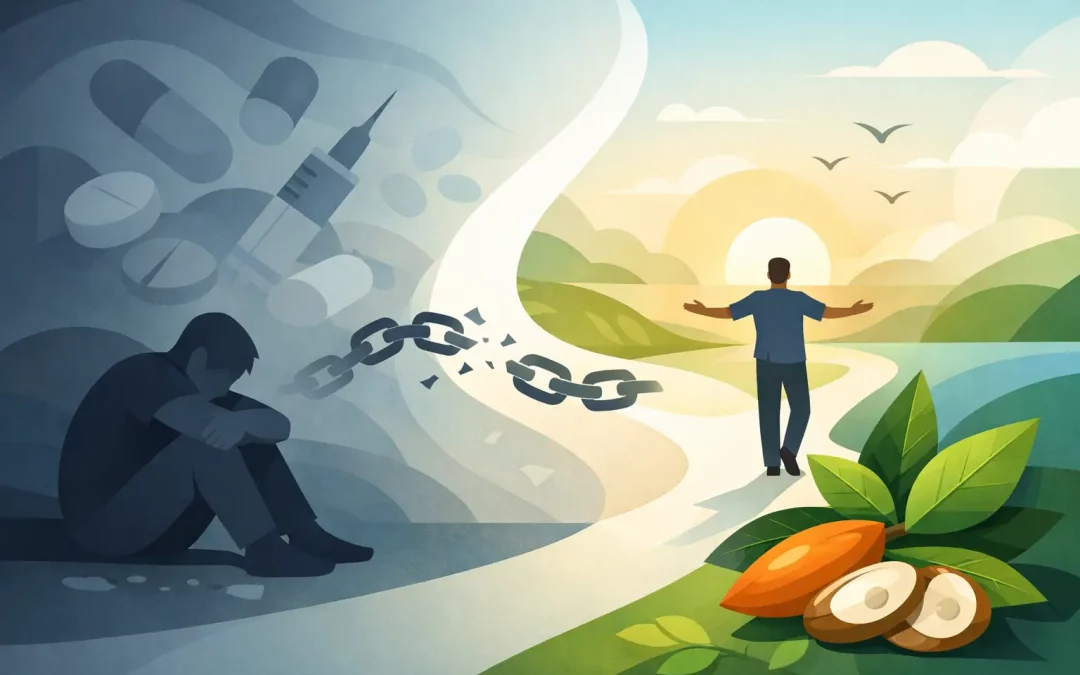
When someone has lived through opioid withdrawal more than once, hope can start to feel like a sales pitch. Many people arrive at this point exhausted, discouraged, and deeply aware that standard options have not given them the change they need. They are not looking for another temporary fix. They are looking for a real interruption in the cycle.
That is why ibogaine treatment for opioid addiction continues to draw the attention of people who want more than maintenance, more than symptom management, and more than another round of suffering. For the right person, in the right setting, ibogaine can offer a powerful reset that supports both detox and a deeper inner shift. It is not magic, and it is not for everyone. But when delivered with medical care, thoughtful screening, and one-on-one support, it can open a rare window of opportunity to reclaim your life.
What ibogaine treatment for opioid addiction is really meant to do
Ibogaine is a naturally derived psychoactive substance that has become known for its potential to reduce opioid withdrawal and disrupt cravings. People often seek it out after heroin, fentanyl, oxycodone, hydrocodone, methadone, or buprenorphine dependence has worn down their confidence in traditional detox models.
The goal is not simply to get through a few difficult days. The deeper purpose of ibogaine treatment for opioid addiction is to help create a meaningful break in physical dependence while also bringing unresolved emotional material to the surface. Many patients describe the experience as both intensely personal and clarifying. It can feel medical and spiritual at the same time.
That combination matters. Opioid addiction rarely lives only in the body. It often wraps itself around trauma, grief, anxiety, depression, shame, and the quiet belief that nothing else will work. A treatment approach that addresses only the physical layer may leave the deeper drivers untouched.
Why people consider ibogaine after other treatments fail
For many adults seeking ibogaine, this is not their first attempt at recovery. They may have tried rehab, tapering, abstinence, medication-assisted treatment, or repeated detox admissions. Some found partial relief. Others felt trapped in a cycle of withdrawal, short-term stabilization, relapse, and disappointment.
Ibogaine offers something different. Rather than asking a person to white-knuckle through the early phase of opioid detox, it is often sought because of its reported ability to dramatically lessen withdrawal intensity and reduce acute cravings. That possibility alone can change the emotional landscape. When fear of withdrawal stops dominating every decision, a person can begin to think more clearly about healing.
There is also another reason people travel for this care. Privacy matters. Personalized attention matters. And for many people, a high-touch environment feels safer than entering a crowded, impersonal program where they may be treated like a diagnosis instead of a human being.
How the treatment process usually works
Ibogaine should never be approached casually. A responsible program begins with medical and psychological screening to determine whether someone is an appropriate candidate. This is especially important because ibogaine can affect heart rhythm and carries real risks if used without proper oversight.
Once a patient is accepted, the detox process is planned around their specific substance history, dose level, co-occurring conditions, and current physical state. That individualized planning is essential. Someone coming off short-acting opioids may need a different timeline than someone dependent on methadone or buprenorphine. The phrase opioid addiction covers a wide spectrum, and treatment should reflect that.
During administration, medical monitoring is a central part of safety. This is not a casual wellness experience. It is a medically sensitive intervention that requires experienced supervision, careful preparation, and a setting equipped to respond if complications arise.
At the same time, the inner experience can be profound. Patients often report vivid introspection, emotional release, memory processing, and a heightened sense of insight. Some describe reconnecting with parts of themselves that addiction buried for years. Others gain painful but necessary clarity about patterns that kept them stuck. This is part of why preparation and integration matter so much. The treatment is not just something that happens to you. It is something you must be supported through.
The benefits people hope for and the trade-offs to understand
The strongest reason people pursue ibogaine treatment for opioid addiction is the possibility of reduced withdrawal and a temporary interruption of cravings. For someone who has relapsed repeatedly because detox felt unbearable, that can be life changing.
Many also hope for a mental and emotional reset. After treatment, some people feel a renewed sense of possibility, improved mood, and greater willingness to engage with therapy, spiritual work, or healthier routines. It can feel like the fog has lifted enough to choose differently.
Still, this is where honesty matters. Ibogaine is not a cure. It may create a powerful opening, but what happens after that opening depends on the person, the support system, and the aftercare plan. If someone returns immediately to the same stressors, same relationships, same isolation, and same internal pain without structure, the benefits may fade.
There are also medical trade-offs. Not everyone is eligible, especially those with certain cardiac conditions or other serious health concerns. People on long-acting opioids such as methadone often require more complex planning and may need additional stabilization before ibogaine can be safely considered. The right answer is not always the fastest answer.
Why medical oversight changes everything
One of the most dangerous mistakes in this space is treating ibogaine like an underground shortcut instead of a serious therapeutic intervention. Opioid dependence can already leave the body depleted. Add dehydration, sleep disruption, nutritional deficiencies, co-occurring psychiatric symptoms, or multiple substances, and the picture becomes far more complex.
Medical oversight is what turns hope into a responsible plan. Proper screening, cardiac evaluation, medication review, detox timing, monitoring, and post-treatment support all help reduce risk and improve outcomes. Equally important, compassionate care helps the patient feel held rather than judged.
This is where a one-on-one setting can make a real difference. Individualized treatment allows the protocol to be shaped around the person, not forced into a generic schedule. For many patients, especially those carrying trauma or years of failed treatment, that level of attention restores trust at a moment when trust is fragile.
Recovery after ibogaine is where the real rebuilding begins
The period after treatment is often described as a window of opportunity. Cravings may be quieter. Withdrawal may be significantly reduced. The mind may feel more open. But a window is not a destination.
What matters next is integration. That can include therapy, spiritual reflection, nervous system support, healthy sleep, nutrition, boundary changes, family repair, and practical planning for triggers. It may also mean facing long-avoided grief or trauma with new honesty. This is not a failure of treatment. It is often evidence that the treatment has exposed what truly needs care.
People who do best tend to respect that recovery is both a breakthrough and a practice. They use the momentum of ibogaine to make decisions that would have felt impossible before. They step out of old environments. They ask for help. They choose structure over chaos. They begin to rediscover the person they were truly meant to be.
Is ibogaine the right path for you?
That depends on your substance history, your medical profile, your readiness for change, and the kind of support you are willing to accept. If you are looking for a quick escape with no follow-through, this may not give you what you want. If you are ready for a medically supported interruption of opioid dependence and willing to engage the emotional and spiritual work that follows, it may offer something rare.
For those who feel they have run out of options, the possibility of a different path matters. A confidential conversation with an experienced team can help you understand whether your case is appropriate, what preparation may be needed, and what kind of aftercare would support the strongest outcome. At The POI Ibogaine Institute, that conversation begins with respect for your privacy, your history, and your capacity to heal.
You are not only trying to stop using opioids. You are trying to return to yourself, and that return begins the moment you choose a path that honors both your safety and your soul.